
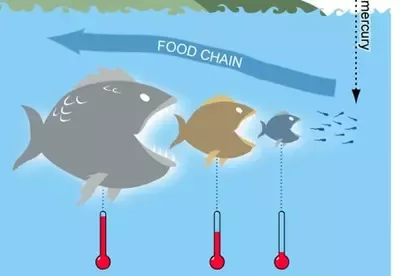
Mercury is a toxic heavy metal that can enter waterways through stormwater runoff, particularly from erosion of soil and sediment that contains mercury. When mercury reaches water, it can be converted into methylmercury, a highly toxic compound. Methylmercury binds to soil and sediment, which is carried to streams through erosion. This toxic substance accumulates in the food chain as algae ingest it, which is then consumed by fish, and in turn can be consumed by humans.
Improper disposal of mercury-containing products, like old thermometers or fluorescent lights, can lead to contamination of local waterways. Once mercury is in the environment, it poses significant health risks, particularly when fish with high mercury levels are consumed. Methylmercury can damage the brain, kidneys, and heart, especially in children. It is important to manage stormwater runoff and sediment erosion to reduce the flow of mercury into our waterways.
When it comes time to dispose of mercury-containing items, click here for Polk County Resources. Fluorescent tubes can also be taken to Lowes or Home Depot. If you accidentally break something that contains less than 3 tablespoons of mercury, follow the DEQ’s guidelines for cleanup. If you spill more than that, do not try to clean it up by yourself. Call the Oregon Response System at 1-800-452-0311 or 503-378-6377.